 Skip to content


Makeup for Creative Personal Expression: A 2026 Guide
Table of Contents
- Why Makeup Became a Canvas for Creative Personal Expression
- Creative Makeup Ideas That Start With a Feeling, Not a Trend
- Makeup Color Experimentation: How to Test Bold Shades Without Regret
- Artistic Makeup Looks: From Natural to Bold Without Losing Yourself
- Tools and Techniques That Make Expressive Makeup Easier
- Making Creative Makeup Work for Your Skin, Budget, and Skill Level
- Documenting Your Personal Style So It Evolves With You
- Frequently Asked Questions
Last Updated: October 13, 2026
Why Makeup Became a Canvas for Creative Personal Expression
Makeup for creative personal expression is the practice of using color, texture, and technique to show identity, mood, or artistic intent rather than to hide flaws. It treats the face as a canvas, not a correction.
Pinterest reported that 67% of its 2026 trends are driven by Gen Z and Millennials, with searches for "lace makeup" up 120% and "avant garde makeup editorial" up 270%, according to Tush Magazine's interview with Pinterest's Sydney Stanback.
Below, we break down how to find your own look, test bold color safely, and build a routine that grows with you.
What the Research Says About Makeup and Identity
The link between makeup and identity is well documented. A 2024 paper by Y. The University of Georgia Terry College of Business found something sharper: participants rated an influencer as more authentic when she framed her makeup as self-expression.
In practice, that means the story you tell matters as much as the pigment you pick.
The Disguise Objection: When Expression Reads as Masking
Not everyone reads makeup as honesty. The same University of Georgia research notes that cosmetics like makeup and hair dye can be seen as a disguise, making the wearer seem less authentic. The difference comes down to intent and consistency. A look that matches how you actually feel reads as expression. A look that contradicts you reads as a mask.
Creative Makeup Ideas That Start With a Feeling, Not a Trend
Creative makeup ideas work best when they begin with an emotion rather than a product. Pick the feeling first, then let it choose your shades. This flips the usual routine. Instead of asking "what's trending," you ask "what do I want to say today."
Build a Look Around One Emotion
Name the feeling in a single word: calm, electric, nostalgic, defiant. Then match it to color.
- Calm: soft taupe, pearl, muted rose
- Electric: cobalt, acid green, hot magenta
- Nostalgic: warm bronze, brick red, sepia brown
One emotion keeps a look coherent. It also stops you from piling on five ideas at once.
Three Starter Concepts You Can Adapt
Try these three frameworks. Each one is a template, not a rule.
- The Single Accent: bare skin, one vivid shade on the lower lash line.
- The Mirror: matching color on eyes and lips, in different finishes.
- The Gradient: three shades of one hue, blended from lash line to brow.
Each concept takes under ten minutes and adapts to any skill level.
Makeup Color Experimentation: How to Test Bold Shades Without Regret
Makeup color experimentation is safest when you change one variable at a time. Test a new shade on a day you have nowhere important to be. That single habit prevents most regret.
The One-Shade-at-a-Time Method
Add one new color per look. Keep everything else identical to what you already know works.
- Swap your usual crease shade for a brighter one
- Keep your base, brows, and lips unchanged
- Photograph the result in daylight
This isolates what worked. If the look fails, you know exactly why.
Wet Versus Dry Application for Different Intensity
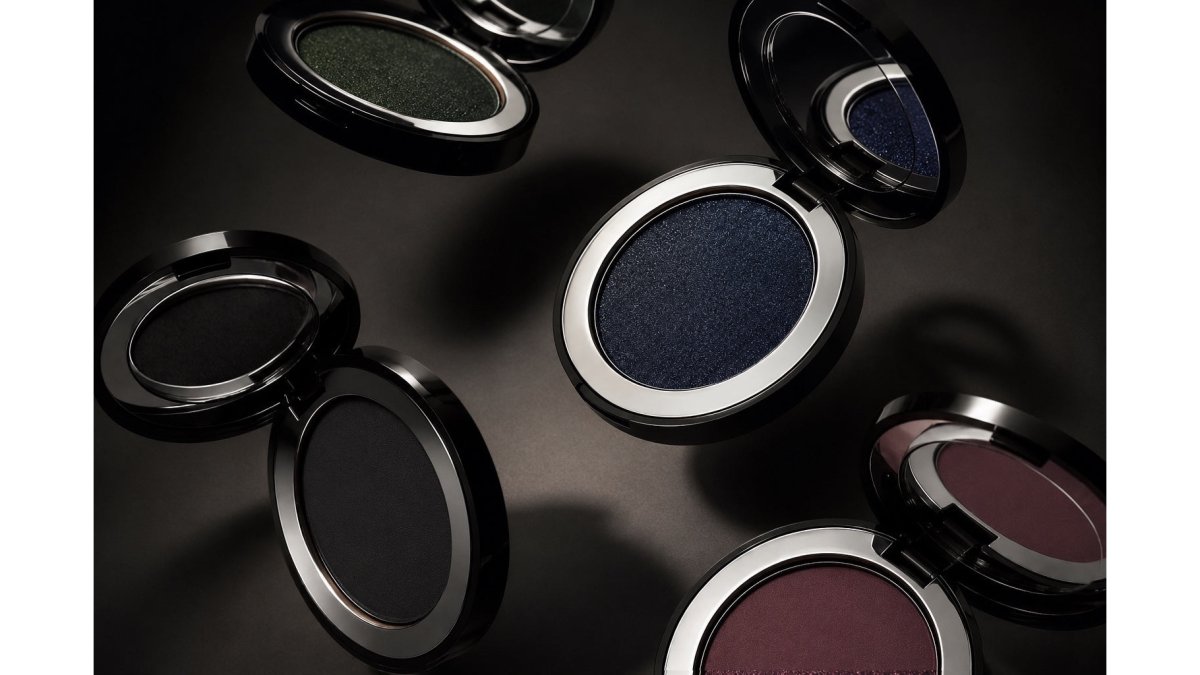
The same shadow can read soft or loud depending on your brush. A dry brush gives a sheer wash. A damp brush intensifies the pigment and adds dimension. Our Gemini Moon Artistic Compact was built for both: apply Luna, Eclipse, Meteor, and Solaris dry for a soft wash, or with a damp brush for full brilliance.
Artistic Makeup Looks: From Natural to Bold Without Losing Yourself
Artistic makeup looks range from a whisper to a statement, and both ends can stay true to who you are. The trick is structure. Natural looks need intention; bold looks need restraint.
| Look | Core Technique | Best For | Time |
|---|---|---|---|
| Natural with intent | One warm shade, soft blend | Workdays, first tries | 5 min |
| Single accent | Vivid shade on lower lash line | Evenings, creative offices | 8 min |
| Sculpted bold | Depth in crease, defined lash line | Events, photos | 15 min |
| Full editorial | Layered color, graphic liner | Shoots, nights out | 25 min |
Natural Looks That Still Say Something
A natural look fails when it disappears. Give it one deliberate detail: a wash of pearl on the lid, a warm bronze through the crease, or a single coat of color on the lower lash line. Our Ombres Accent eyeshadows are made for exactly this. Apply to the crease, outer corners, or lash line to add depth and definition, then blend softly for subtle contouring.

Bold Looks Built on Structure, Not Volume
Bold does not mean heavy. Build a bold look the way a painter builds a canvas: base first, then depth, then the focal point.
- Map the shape before you add color
- Use a neutral to define the crease
- Place your boldest shade last
Tools and Techniques That Make Expressive Makeup Easier
The right tools cut the learning curve more than practice alone. Most practitioners find that four brushes and two product textures carry nearly every expressive look, the trick is knowing what each one actually does to pigment.
The Four Brushes That Do Most of the Work
- Tapered medium brush: places color precisely on the lower lash line, outer V, or lid. Use the tip for a fine line, the side for a wash.
- Fluffy blending brush: softens hard edges so a bold shade reads intentional instead of accidental. Work in small circles, not sweeps.
- Flat shader brush: packs pigment onto the lid for maximum color payoff. Pat, don't drag, dragging sheers out the shade.
How Texture Changes the Result
Cream products handle cheeks, eyes, and lips at once and blend with fingers, a brush, or a sponge. Powders give sharper edges and build more slowly, which makes them forgiving for beginners. Our Cream Dabber is built for that first step: apply to cheeks, eyes, or lips, then blend for a sheer wash or layer for more intensity.

Application Order That Prevents Muddy Color
- Base and concealer first, so pigment sits on an even surface.
- Cream color next, while the base is still slightly tacky.
- Powder shadow on top to lock the shape and add depth.
- Liner and mascara last, so they stay crisp.
- Lips at the end, so you can match them to the eye look once it's finished.
Hygiene and Safe Experimentation
Clean your brushes weekly with mild soap and warm water, then dry them flat so water doesn't seep into the ferrule and loosen the bristles. Never share eye products, mascara, eyeliner, and eye creams can transfer bacteria and infections.
Making Creative Makeup Work for Your Skin, Budget, and Skill Level
Expressive makeup should fit your skin, your wallet, and your current skill. It does not require a full kit. Start with three products: one neutral, one bold shade, and one cream color that works on eyes, cheeks, and lips.
Tiered Looks by Skill Level
Beginner (under 10 minutes): one vivid shade on the lower lash line over bare skin. No blending required, and it reads as intentional.
Intermediate (10-20 minutes): a two-tone eye, neutral through the crease, one bold shade packed on the lid, plus a matching lip in a different finish.
Advanced (20+ minutes): layered color, graphic liner, and a cut crease.
Adapting Looks Across Skin Tones and Features
Pigment reads differently depending on your undertone. On deeper skin tones, saturated jewel tones and metallics show up more clearly than pastels, which can turn ashy, build pastels over a cream base to keep them true. On fair skin, highly pigmented shades can stain, so test 48 hours ahead. On hooded lids, place color slightly above the natural crease so it stays visible when the eye is open.
Looks by Occasion
- Everyday: one accent shade, soft base, tinted lip.
- Creative office: single accent on the lower lash line, neutral everywhere else.
- Evening: sculpted bold eye with defined lash line.
Budget and Sensitive-Skin Strategy
On budget, buy one high-pigment product instead of five weak ones. A single saturated shade does more than a palette of thin ones, and it mixes with what you already own. If your skin is sensitive, patch test new pigments on your inner arm 24 hours before your face, keep tools clean, never share eye products, and replace mascara every three months.
Documenting Your Personal Style So It Evolves With You
A documented style is easier to improve. Photograph each look in daylight, note the shades and placement, and keep the notes in one place. After a month, patterns appear.
Review your notes every season. Keep what still feels like you. Retire what you copied from someone else. This is how personal style becomes a practice instead of a purchase.
Finding your own look takes time, and most products on the shelf were never designed for it. Start with the Gemini Moon Artistic Compact or a single Ombres Artistiques shade, and build from there.

Frequently Asked Questions
How can makeup be used for self-expression?
Treat color, texture, and placement as choices rather than rules. Start with how you want to feel, then pick one element to carry that feeling: a shimmer shade on the lid, a cream color dabbed on cheeks and lips, or a defined crease that adds structure. Research from the University of Georgia Terry College of Business found that people rated an influencer framed as using makeup for self-expression as more authentic than the same person using makeup without that framing. The intent behind the application is what reads as expression.
What are some ways to experiment with color in makeup?
Change one variable at a time. Swap a neutral crease shade for a deeper one, or add a single vivid accent along the lower lash line instead of the whole lid. Press shadows on dry for a soft wash or with a damp brush for intensified brilliance and more dimension. If a shade feels like too much, blend it toward the lash line rather than removing it. Keeping the rest of the look consistent makes it easy to judge whether the new color actually works for you.
How do I create artistic makeup without following trends?
Anchor your look to something personal instead of a seasonal direction: a piece of art, a memory, a mood, or a color you keep returning to. Pinterest reported that 67% of its 2026 trends are driven by Gen Z and Millennials, with searches for lace makeup up 120% and avant garde makeup editorial up 270%, so trend pressure is real. The counter is specificity. A look built around your own reference point will not date the way a replicated trend does, and it stays yours as trends move on.
Can makeup be considered an art form?
Yes, and the research supports treating it that way. A 2024 paper by Y. Ma reports a significant correlation between makeup and social interaction and self-identity, affecting how college students express personality and identity. The University of Georgia Terry College of Business also notes a counterpoint: cosmetics can be viewed as a disguise, which can read as less authentic. The difference is intent. When the application carries a point of view, it functions as art; when it hides the wearer, it reads as a mask.