 Skip to content


Why Small Batch Makeup Lasts Longer
Table of Contents
- Why Small Batch Makeup Lasts Longer: The Freshness Advantage
- Is Artisanal Makeup Better Than Mass Produced
- Makeup Shelf Life and Preservation: What Actually Matters
- Benefits of Artisanal Makeup Beyond Longevity
- Storage and Usage Tips for Maximum Freshness
- Micro-Batching vs. Mass Production: A Technical Comparison
- Frequently Asked Questions
Last Updated: September 19, 2026
Why Small Batch Makeup Lasts Longer: The Freshness Advantage
Small batch makeup lasts longer because freshness compounds every ingredient's potency. When formulas are produced in limited quantities, they spend less time in warehouses and distribution channels before reaching your hands. This matters more than most beauty guides acknowledge.
At Artonit, we've observed that the real advantage of small batch production isn't marketing rhetoric, it's chemistry. Ingredients degrade over time. Pigments oxidize. Preservative systems work harder as products age. A batch made last month performs differently than one made six months ago, even in identical storage conditions.

The difference between small batch and mass production creates a measurable gap in how long makeup performs on your skin. Smaller production runs mean faster inventory turnover, which means the product you're using is closer to its formulation date. That freshness translates directly to better color payoff, longer wear time, and fewer signs of degradation like separation or texture changes.
According to research on cosmetic product stability and shelf life factors, ingredient potency and preservative efficacy are time-dependent variables. The longer a formula sits before use, the more these variables shift. Small batch manufacturing compresses that timeline.
Is Artisanal Makeup Better Than Mass Produced
Artisanal makeup isn't automatically better, but the production model creates structural advantages that mass production struggles to match. The question isn't whether handcrafted is inherently superior. It's whether the constraints of small batch production solve real problems that mass production creates.

Mass-produced cosmetics are engineered for maximum shelf stability. Formulas are designed to survive months in warehouses, weeks in retail distribution, and then months more in consumer bathrooms. That longevity requires higher preservative loads, more stabilizing agents, and formulations optimized for durability over freshness.
Artisanal production inverts this priority. When you're making 200 units instead of 200,000, inventory moves faster. Preservative systems can be lighter. Ingredient ratios can favor potency over longevity. The economics work differently, and that changes what's possible in the formula itself.
Inventory Turnover and Supply Chain Transparency
Faster inventory turnover is the mechanical advantage small batch brands hold. A mass-produced foundation might spend two months in a distribution center, six weeks in retail, then another two months in a consumer's bathroom before being opened. A small batch product can move from production to consumer in weeks.
This isn't theoretical. Each week a formula sits, oxidation progresses. Emulsions separate slightly. Water content shifts. These changes are gradual, but they accumulate. A product that's three months old performs measurably differently than one that's three weeks old, even if both are technically "fresh."
Supply chain transparency amplifies this advantage. When you know exactly where your makeup came from and when it was made, you can make informed decisions about product age. Many mass-produced brands don't print production dates, only expiration dates. Small batch brands typically prioritize transparency because their model depends on freshness being a selling point.
Formulation Stability and Precision Blending
Precision blending in small batches allows for formulations that wouldn't survive mass production. Handcrafted makeup can use more delicate emulsions, lighter preservative systems, and ingredient ratios optimized for performance rather than shelf stability.
When a chemist blends 500 units by hand, they can adjust ratios between batches based on seasonal humidity, ingredient variation, and performance testing. Mass production requires standardized formulas that work across every condition, every season, every warehouse temperature. That standardization costs potency.
Small batch brands often use botanical extracts and active ingredients that degrade faster than synthetic alternatives. These ingredients deliver visible results, better color payoff, smoother application, longer wear, but they require fresher formulas to perform. The small batch model makes this trade-off economically viable.
Makeup Shelf Life and Preservation: What Actually Matters
Makeup shelf life depends on three variables: formula composition, storage conditions, and time since production. Understanding how these interact reveals why small batch products often outlast their mass-produced counterparts on skin, even if they have shorter theoretical shelf lives.
A formula's shelf life is determined by its preservative system and ingredient stability. Products with heavy synthetic preservative loads can sit for years. Products with lighter preservative systems degrade faster, but they perform better when fresh. This is the core trade-off.
Small batch makeup typically prioritizes the second approach. The formula is optimized for the first six to twelve months of life, when it will be used. After that window, degradation accelerates. But during that window, performance exceeds what you'd get from a heavier, more stable formula.
Synthetic Preservatives vs. Natural Alternatives
Synthetic preservatives like phenoxyethanol and methylisothiazolinone are effective precisely because they're aggressive. They inhibit microbial growth across many conditions. They're also stable across temperature fluctuations and long storage periods. Mass-produced makeup relies on these because they guarantee safety across unpredictable supply chains.
Natural preservative systems, plant extracts, essential oils, fermentation byproducts, work differently. They're gentler on skin and often more compatible with clean beauty positioning. But they're less stable over time and less effective across variable conditions. They require fresher formulas and more careful storage. Mastering these delicate preservation techniques reveals the inherent benefits of handcrafted products, a principle that extends to the curing and care of artisanal soaps.
The choice between them reflects a fundamental priority. Mass production chooses preservation and safety. Small batch production can choose performance and freshness because inventory moves faster and storage conditions are controlled.
Understanding the Period After Opening (PAO) Symbol
The PAO symbol on makeup packaging indicates how long a product remains safe after opening. A "12M" marking means twelve months after opening. This timeline assumes standard bathroom storage, humidity, temperature fluctuations, exposure to air.
PAO is a safety standard, not a performance timeline. A product marked 12M is safe for twelve months, but it may perform noticeably better for the first three to six months. Oxidation, emulsion breakdown, and preservative system fatigue accelerate after opening.
Small batch products often have shorter PAO windows than mass-produced equivalents because their preservative systems are lighter. But the performance curve is steeper. You get better results in the first months, then a sharper decline. Mass-produced products show a gentler decline because they're formulated for extended performance.
Benefits of Artisanal Makeup Beyond Longevity
Small batch makeup delivers advantages that extend past shelf life. The production model creates space for precision, intentionality, and creative expression that mass production can't accommodate.
Artisanal brands can experiment with pigment ratios, undertone balancing, and finish variations without committing to millions of units. This freedom produces shades with more nuance, more personality, and more connection to the creative vision behind them. Named shades matter, they signal intention. A shade called "Venetian Dusk" carries meaning that a number never could.
Hand-finished details, whether in packaging, application tools, or formula consistency, communicate care. These aren't marketing flourishes. They signal that someone evaluated every decision. That attention compounds. A product made with intention performs differently than one optimized purely for cost and scale.
For consumers who view makeup as part of their creative identity, this matters. Artisanal makeup becomes a tool for expression rather than a commodity. The freshness advantage is real, but it's inseparable from the broader experience of using a product made with precision and care.
Storage and Usage Tips for Maximum Freshness
Maximize small batch makeup's freshness advantage through intentional storage and usage habits. The product's performance depends partly on how you treat it after purchase.
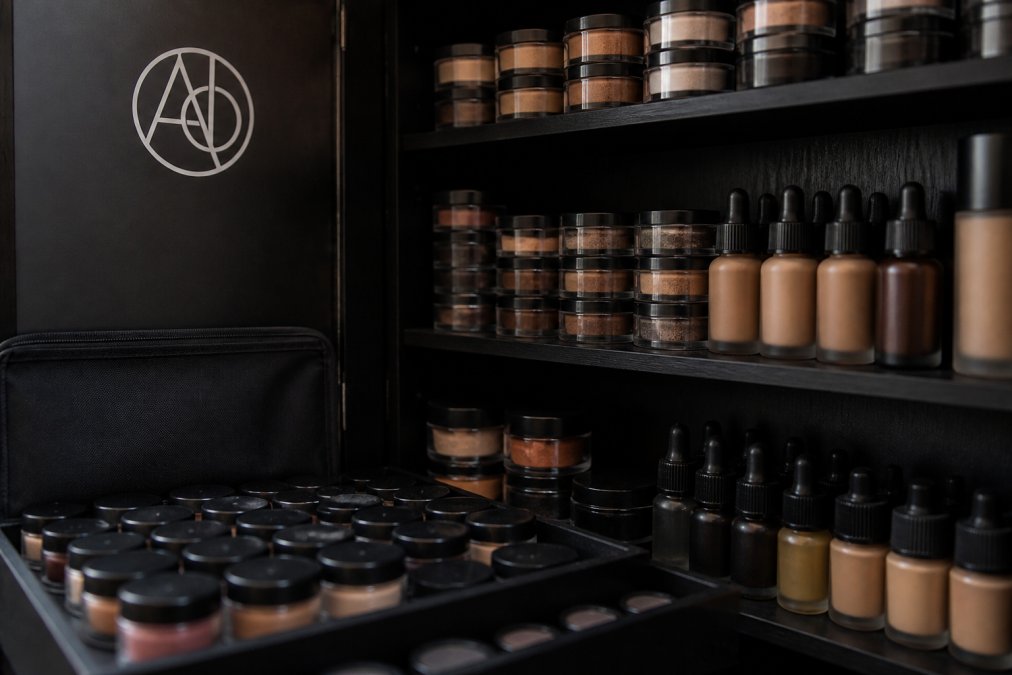
Store makeup in a cool, dark place away from direct sunlight and humidity. Bathrooms are the worst environment, heat and moisture accelerate degradation. A bedroom drawer or closet is better. Keep lids sealed tightly between uses. Exposure to air accelerates oxidation, especially in lighter preservative systems.
Check your products regularly. Small batch makeup shows degradation visibly, separation in liquid formulas, texture changes in powders, color shifts in pigmented products. These aren't necessarily safety concerns, but they signal declining performance. Use products within their PAO window, and prioritize older products first.
Temperature stability matters more for artisanal formulas than mass-produced ones.
Micro-Batching vs. Mass Production: A Technical Comparison
Micro-batching and mass production represent different approaches to the same problem: creating consistent, safe, performant makeup. Understanding the technical differences clarifies why small batch products behave differently.
| Aspect | Micro-Batch Production | Mass Production |
|---|---|---|
| Batch Size | 100-500 units | 10,000+ units |
| Production Frequency | Weekly or bi-weekly | Monthly or quarterly |
| Inventory Turnover | 4-8 weeks | 12-24 weeks |
| Preservative Load | Light to moderate | Moderate to heavy |
| Ingredient Freshness | High (recent sourcing) | Variable (depends on storage) |
| Formulation Flexibility | High (adjustments between batches) | Low (standardized across batches) |
| Quality Control Method | Hand-testing, small-batch analysis | Statistical sampling, large-scale testing |
| Cost Per Unit | Higher | Lower |
| Shelf Stability | 12-18 months | 24-36 months |
Frequently Asked Questions
Why does small batch production result in fresher makeup?
Small batch makeup moves through the supply chain faster, reducing oxidation and degradation. Limited production runs mean shorter shelf times before reaching customers, and inventory turnover is rapid. Mass-produced cosmetics sit in warehouses and distribution centers for months, exposing active ingredients to heat, light, and air. Small batch formulations also use precision blending techniques that maintain ingredient potency and bioavailability from production to application.
What does the Period After Opening (PAO) symbol mean for makeup shelf life?
The PAO symbol shows how many months a product remains safe and effective after opening (typically 6M, 12M, or 24M). Small batch makeup often has shorter PAO windows because the formulas rely on fewer synthetic preservatives and prioritize ingredient freshness over extended shelf stability. This isn't a weakness, it reflects the product's commitment to potency. Mass-produced cosmetics use higher preservative loads to extend PAO periods across global supply chains, which can compromise active ingredient effectiveness.
Is artisanal makeup better than mass produced cosmetics?
Artisanal makeup excels in formulation stability, ingredient freshness, and supply chain transparency. Small batch producers use precision blending to ensure consistent potency across every unit, while mass production prioritizes cost efficiency and shelf-stable formulations. Artisanal cosmetics avoid unnecessary chemical additives and focus on active ingredients at full strength. For consumers seeking quality control, ingredient integrity, and products that perform at peak potency, artisanal makeup delivers measurably better results than mass-produced alternatives.
How can you tell if your small batch makeup is still fresh?
Check the manufacturing date and PAO symbol on your product. Small batch makeup should show visible pigment saturation and smooth blending without separation or clumping. If the texture has changed, the scent is off, or the formula appears grainy, it's time to replace it. Proper storage in cool, dark conditions extends freshness. Quality small batch formulas like those from Artonit maintain their refined finish and performance throughout their intended shelf life when stored correctly.